Your Website Isn't Talking to Humans Anymore
AI agents now determine which property management businesses get found online. Zero-click searches mean prospects never visit your site. Instead, AI answers their questions and cites 2-3 sources.
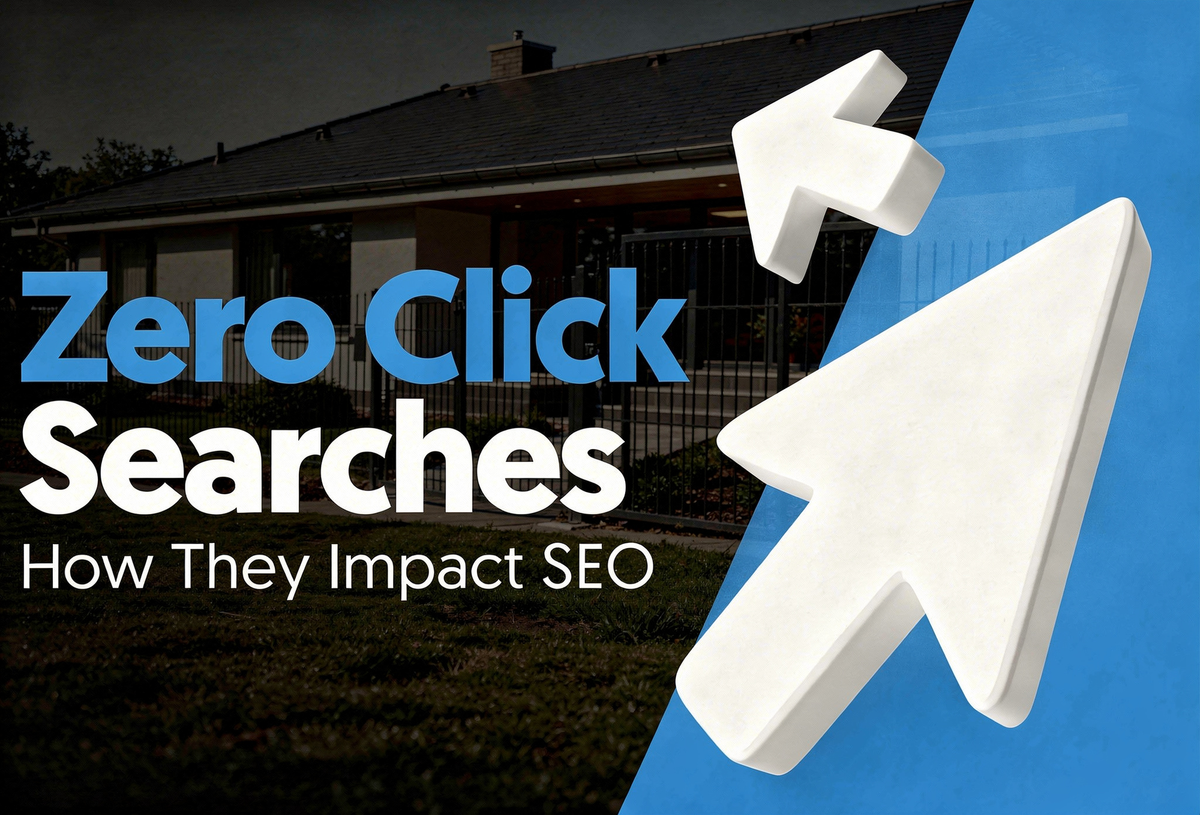
TL;DR: AI agents now determine which property management businesses get found online. Zero-click searches mean prospects never visit your site. Instead, AI answers their questions and cites 2-3 sources. To survive, you must optimize for AI Agent Optimization (AEO), not just SEO. This means structuring content for AI comprehension, using "vibe coding" for rapid adaptation, and becoming a trusted source AI cites. The window to build advantage is 6-12 months.
Core Answers:
- AI agents now control 59.5% of search visibility, up 293% in two months—winner-take-all dynamics accelerating
- Zero-click searches mean users get AI-generated answers without visiting your site; if you're not cited, you're invisible
- AEO (AI Agent Optimization) structures content so AI agents understand, trust, and recommend you
- "Vibe coding" replaces static websites with adaptive systems that respond to AI agent behavior
- Property managers using AI platforms see 90% automation in leasing conversations and 15-60% cost reductions
Picture this: Right now, an invisible algorithm is deciding whether your property management business exists.
Not a human with a mouse. Not a prospect scrolling Google results. An AI agent—silently crawling your website, evaluating your content, choosing whether you deserve to be cited.
I just finished a conversation with the CEO of Zumper that crystalized this reality: Your website is having conversations you'll never see, with visitors you'll never meet, determining outcomes you can't track.
What Is the Zero-Click Search Revolution?
In 2026, when someone searches for "pet-friendly apartments near downtown," they don't click through to your site anymore.
They get an AI-generated answer. With sources. Maybe three of them.
If your property management company isn't one of those three citations, you're invisible. Your Google ranking doesn't matter. Your beautiful website redesign doesn't matter. Your visibility now depends on whether AI agents choose to cite you.
This is the zero-click search revolution—the most significant shift in search behavior since Google launched 25 years ago.
Most property managers are still optimizing for 2015.
The Reality: In 2026, traditional Google rankings don't determine visibility. AI agents choose which sources to cite, therefore your success depends on whether AI trusts your content enough to recommend it.
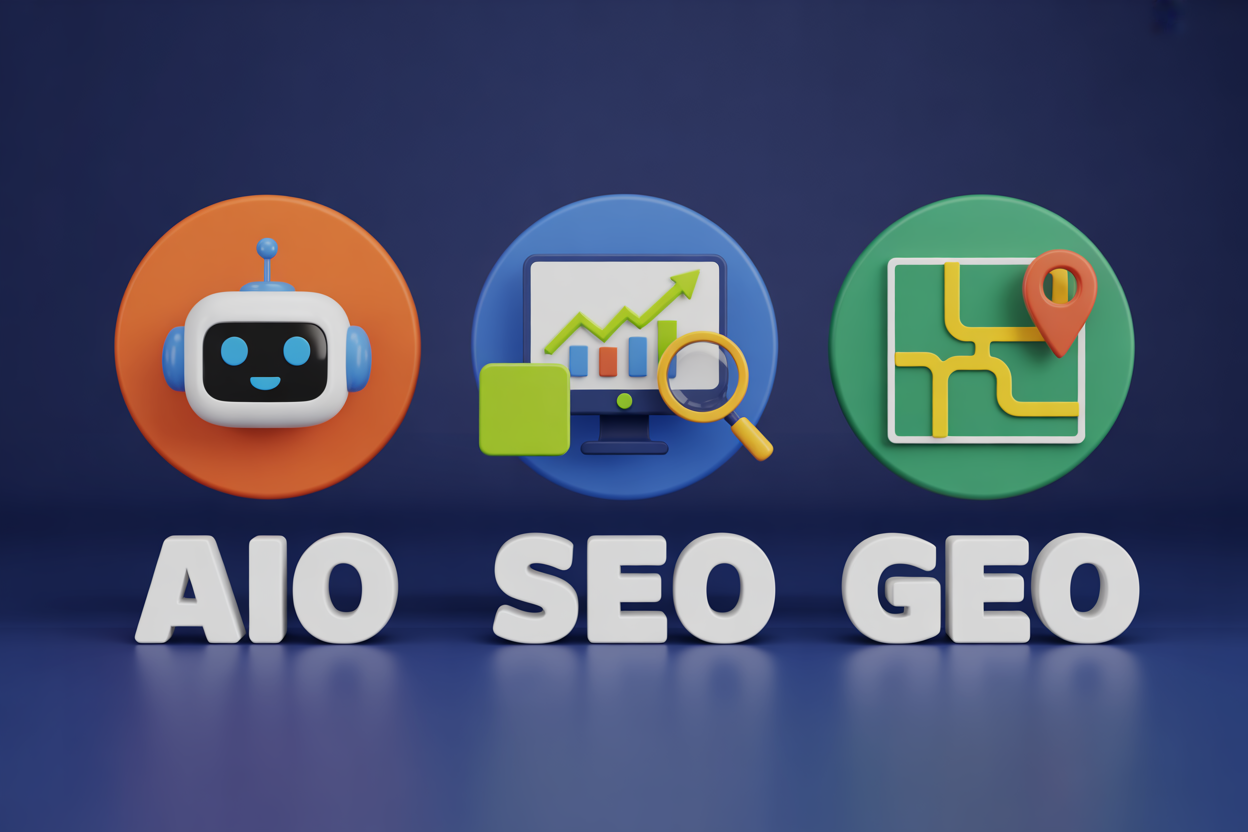
What Is AEO (AI Agent Optimization)?
You know SEO—Search Engine Optimization. Keywords, backlinks, meta descriptions.
Now meet AEO. AI Agent Optimization.
AEO means structuring your content so AI agents can understand it, trust it, and recommend it. It's not about gaming algorithms—it's about becoming the source AI turns to when answering questions about your market.
The data tells the story. Top performers captured 59.5% of all AI citations by February, up from 30.9% in December. That's a 293% increase in concentration over two months.
Winner-take-all dynamics are accelerating because AI agents favor established, trusted sources.
You have 6-12 months before competitors build an insurmountable lead.
Key Insight: AI citation concentration is increasing exponentially. Early adopters of AEO will dominate search visibility while latecomers become invisible to prospects.

How Does Vibe Coding Work?
Here's where it gets interesting—and practical.
Traditional website management means hiring designers and agencies. This means paying thousands of dollars, waiting weeks for changes, and getting locked into rigid structures.
That model is dying because it can't compete with AI-driven adaptation.
Vibe coding is the alternative. It means building websites that adapt quickly—systems that let you test messaging, personalize journeys, and respond to what AI agents are looking for.
Think of it this way: Your website becomes a living document instead of a static brochure. AI handles the heavy lifting.
The technology creates hyper-personalized experiences at scale. AI agents assess the right message, channel, and timing for each customer based on individual preferences. In contrast to traditional approaches, this eliminates prewritten journeys that treat everyone the same.
Bottom Line: Vibe coding replaces expensive, slow agency work with AI-powered systems that adapt in real-time, reducing costs 15-60% while improving personalization.
Why Property Managers Must Act Now
I'm watching property managers split into two groups.
Group one keeps paying agencies to manage static websites. They focus on human visitors. They ignore AI agents. They wonder why lead quality drops.
Group two builds for AI first, humans second. They structure content for AI comprehension. They test and adapt messaging weekly. They see their citations increase while competitors fade.
The gap between these groups is widening fast because AI citation patterns create network effects.
By 2029, Gartner predicts agentic AI will autonomously resolve 80% of common customer service issues without human intervention. That's a 30% reduction in operational costs for companies that adapt.
For those that don't adapt? Increasing disadvantage and irrelevance.
The Stakes: Property managers optimizing for AI now will capture the majority of search citations. Those waiting will face years of catch-up against entrenched competitors.
How to Start Optimizing for AI Agents
You don't need to rebuild everything tomorrow. Start with these steps:
- Understand how AI agents interact with your content—what questions do they answer? What sources do they trust?
- Become one of those trusted sources by structuring content for AI comprehension
- Experiment with AI-driven optimization and test different messaging approaches
- Build systems that adapt based on what works
The role of web designers isn't disappearing—it's changing. They become solution architects instead of pixel pushers. AI handles repetitive tasks therefore humans focus on strategy and creativity.
This means faster turnaround times for you, lower costs, and more personalized experiences for prospects.
But only if you start now.
Action Point: Begin experimenting with AI optimization immediately. The competitive advantage goes to early adopters who structure content for AI comprehension before their market saturates.
What Happens If You Wait?
I keep thinking about that conversation with Zumper's CEO.
The businesses optimizing for AI search in 2026 will dominate their categories in 2027-2028. The ones waiting will spend years catching up.
Your website isn't talking to humans anymore. At least not first.
It's talking to AI agents who decide whether humans ever see you at all.
The question isn't whether this shift is happening. It's whether you'll adapt before your competitors do.
Frequently Asked Questions
What is zero-click search and why does it matter?
Zero-click search means users get AI-generated answers directly in search results without clicking through to websites. This matters because if AI doesn't cite your property management business as a source, prospects never discover you exist.
How is AEO different from SEO?
SEO optimizes for search engine rankings and human visitors. AEO optimizes for AI agent comprehension and citation. AEO focuses on structured content, clear answers, and building trust with AI systems that curate information for users.
What is vibe coding in website design?
Vibe coding means building adaptive website systems instead of static designs. It enables rapid testing of messaging, personalized user journeys, and quick responses to AI agent behavior—all without expensive agency involvement.
How quickly are AI citations becoming concentrated?
Top performers increased their share of AI citations from 30.9% to 59.5% in just two months (December to February)—a 293% increase. This concentration accelerates as AI agents favor established, trusted sources.
Can small property management companies compete in AEO?
Yes, because AEO rewards content quality and structure over brand size. Small companies that optimize early can become trusted sources before larger competitors adapt, capturing disproportionate visibility.
How much can AI automation reduce property management costs?
Property management companies using AI platforms report handling 90% of leasing conversations automatically and achieving cost reductions between 15-60% across portfolios.
What happens if I ignore AEO optimization?
You become invisible to prospects because AI agents won't cite your business. As competitors optimize for AI search, they capture increasing market share while your lead quality declines and acquisition costs rise.
How long do I have to adapt before falling behind?
Industry analysis suggests 6-12 months before early adopters build insurmountable citation advantages. By 2027-2028, businesses that optimized in 2026 will dominate their categories.
Key Takeaways
- AI agents control visibility: Zero-click searches mean prospects never visit your site—AI answers their questions and cites 2-3 sources. If you're not cited, you don't exist.
- AEO is the new SEO: Traditional rankings don't matter. Success requires structuring content so AI agents understand, trust, and recommend your business.
- Winner-take-all dynamics accelerating: Top performers captured 59.5% of AI citations by February, up 293% in two months. Early adopters will dominate; latecomers face years of catch-up.
- Vibe coding replaces static websites: Adaptive systems enable rapid testing, personalization, and AI responsiveness—reducing costs 15-60% while improving results.
- The window is 6-12 months: Property managers who optimize for AI now will control their categories in 2027-2028. Those who wait will struggle against entrenched competitors.
- Action beats perfection: Start experimenting with AI optimization immediately. Understand what AI agents seek, structure content for comprehension, and build adaptive systems.
- By 2029, AI handles 80% of customer service: Companies that adapt see 30% operational cost reductions. Those that don't face increasing disadvantage and irrelevance.